Projects
  |
RELIABLE CONTROL SOLUTIONS FOR MODERN INDUSTRY
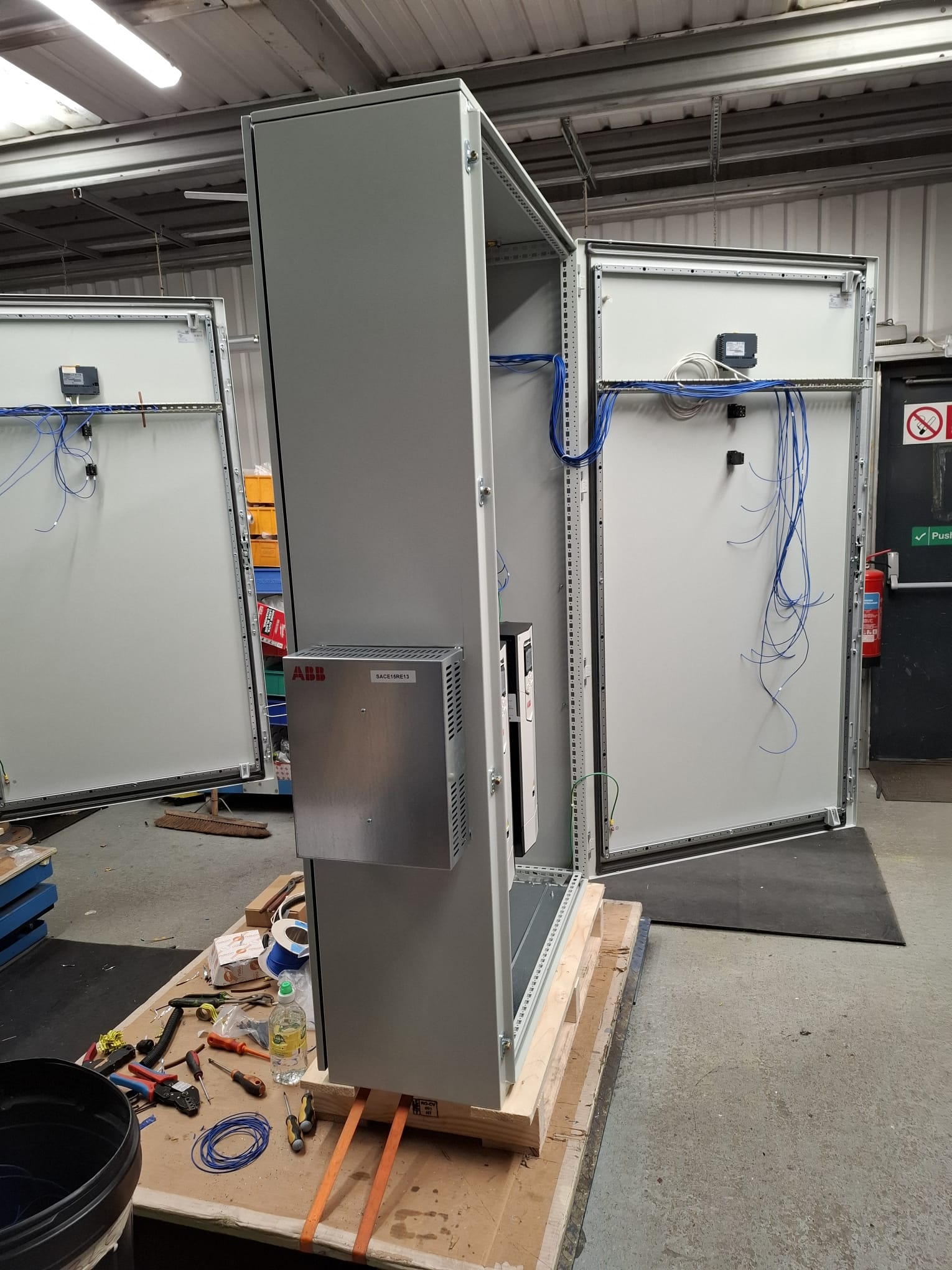
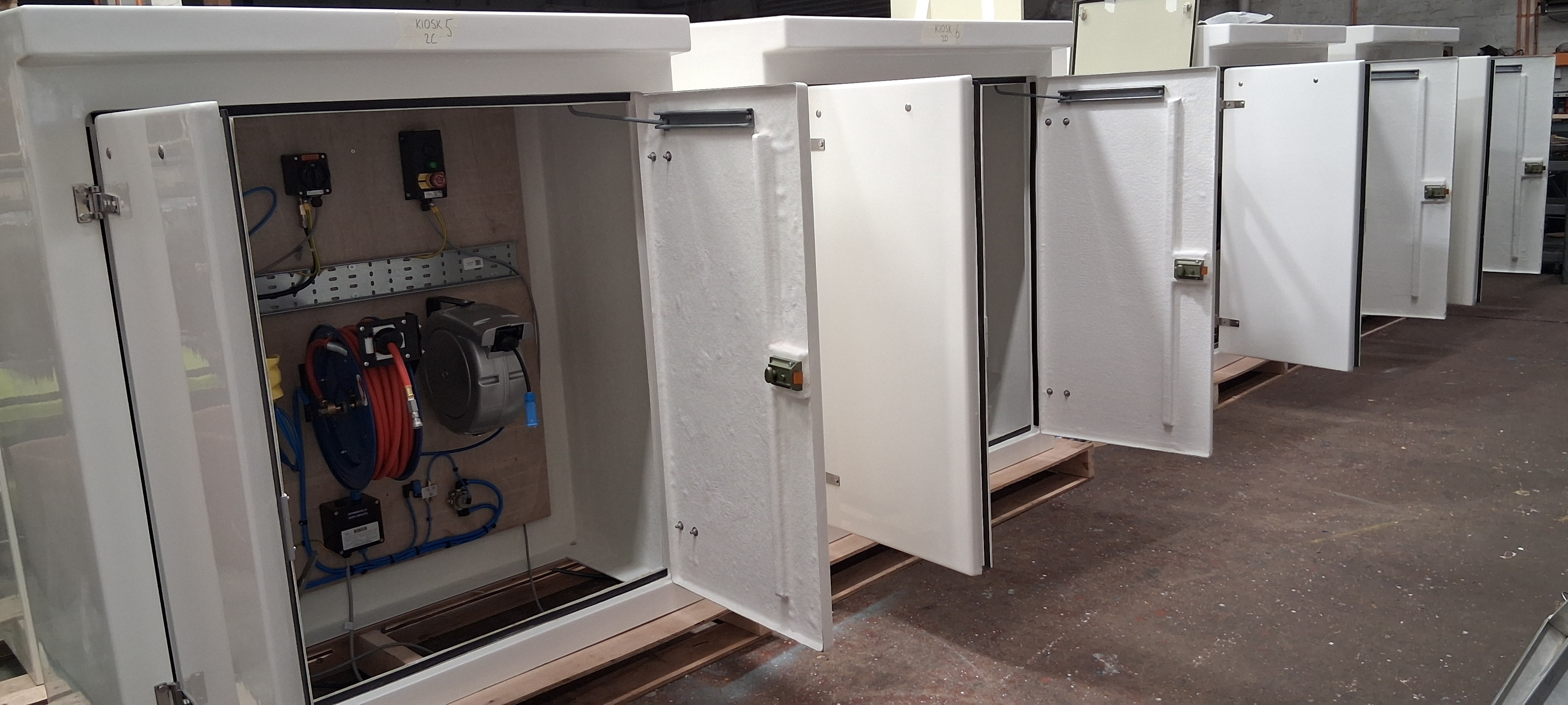
Curry and Bevans Ltd design and build custom control panels that give you complete, centralised control over your automated systems.
Each panel is engineered with precision, built to be robust, reliable, and fully compliant with the highest standards of quality and safety.
Our control panels form the core infrastructure of your operation — the network that connects your systems, the intelligence that powers your machinery, and the foundation that keeps your processes running smoothly and safely. Designed for long‑term performance and peace of mind, they ensure your equipment operates exactly as it should, day after day.
Whether you require a bespoke solution for a single machine or a fully integrated system across your facility, our experienced engineers deliver panels that are tailored to your application and built to last.
| |
What Is a Control Panel?
Parts of Components of a Control Panel
Control panels consist of various components that work together to enable effective control and monitoring.
Some key components include:
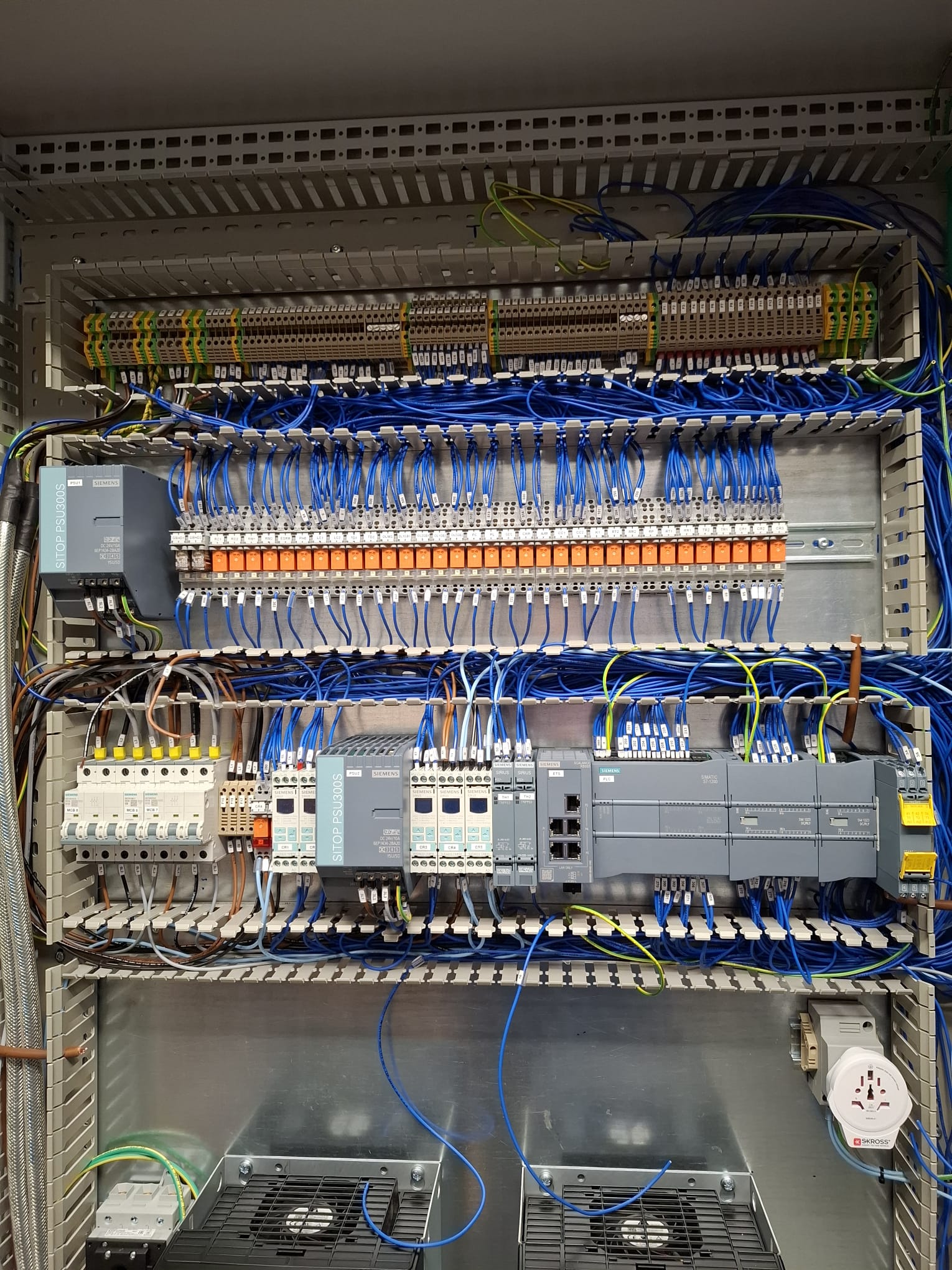
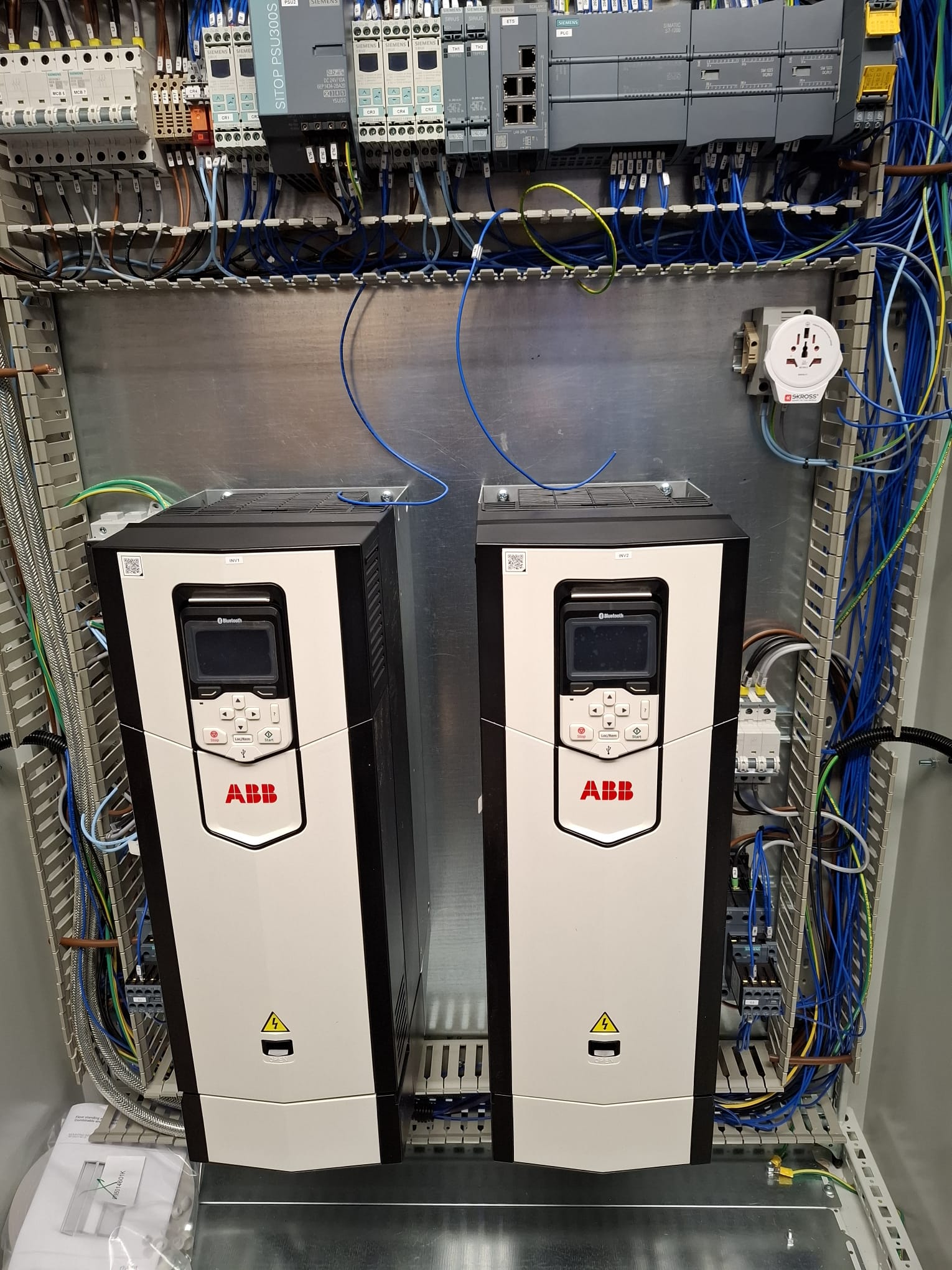
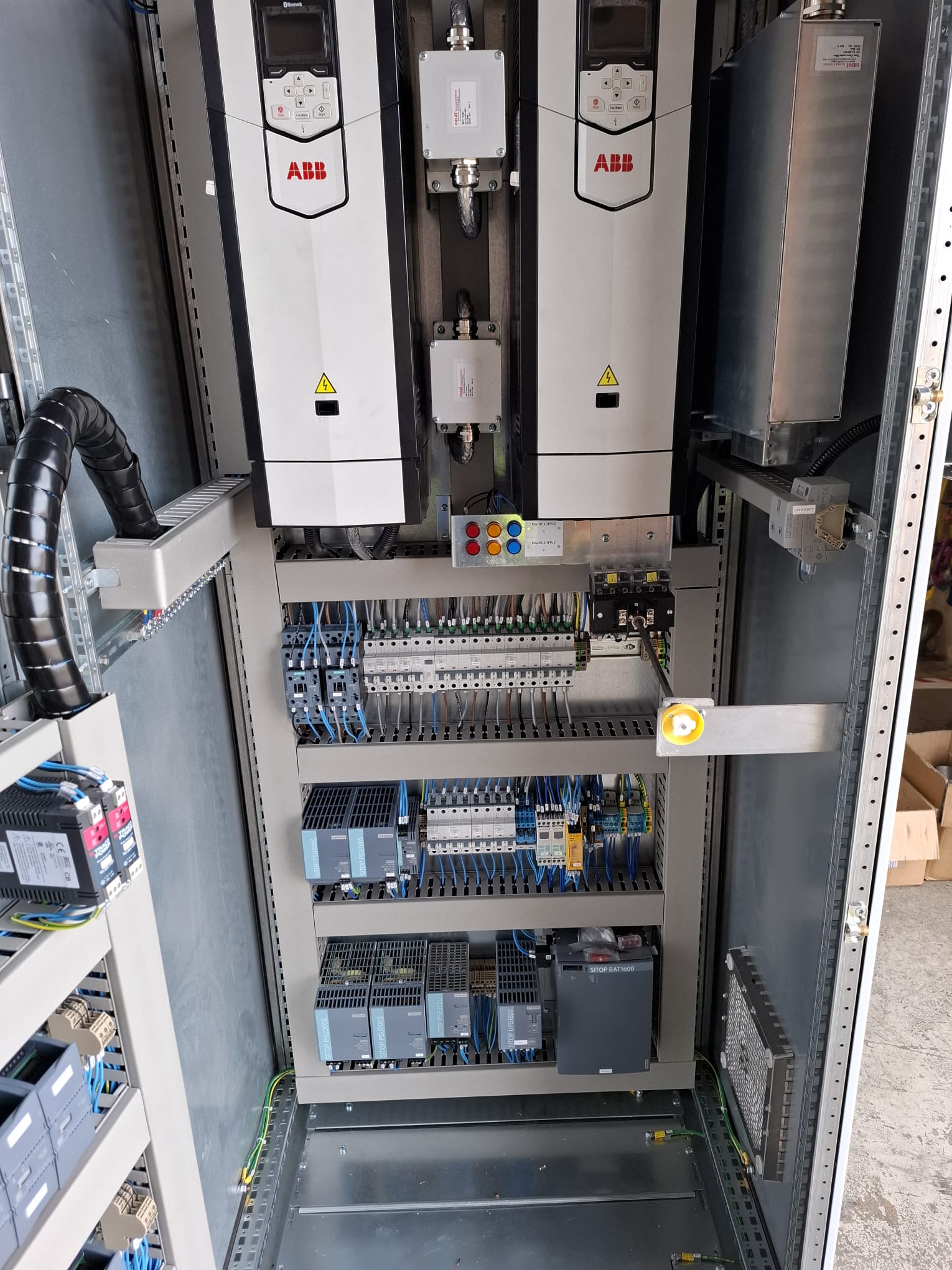
Power Supplies: Control panels require a reliable power source to operate the associated systems.
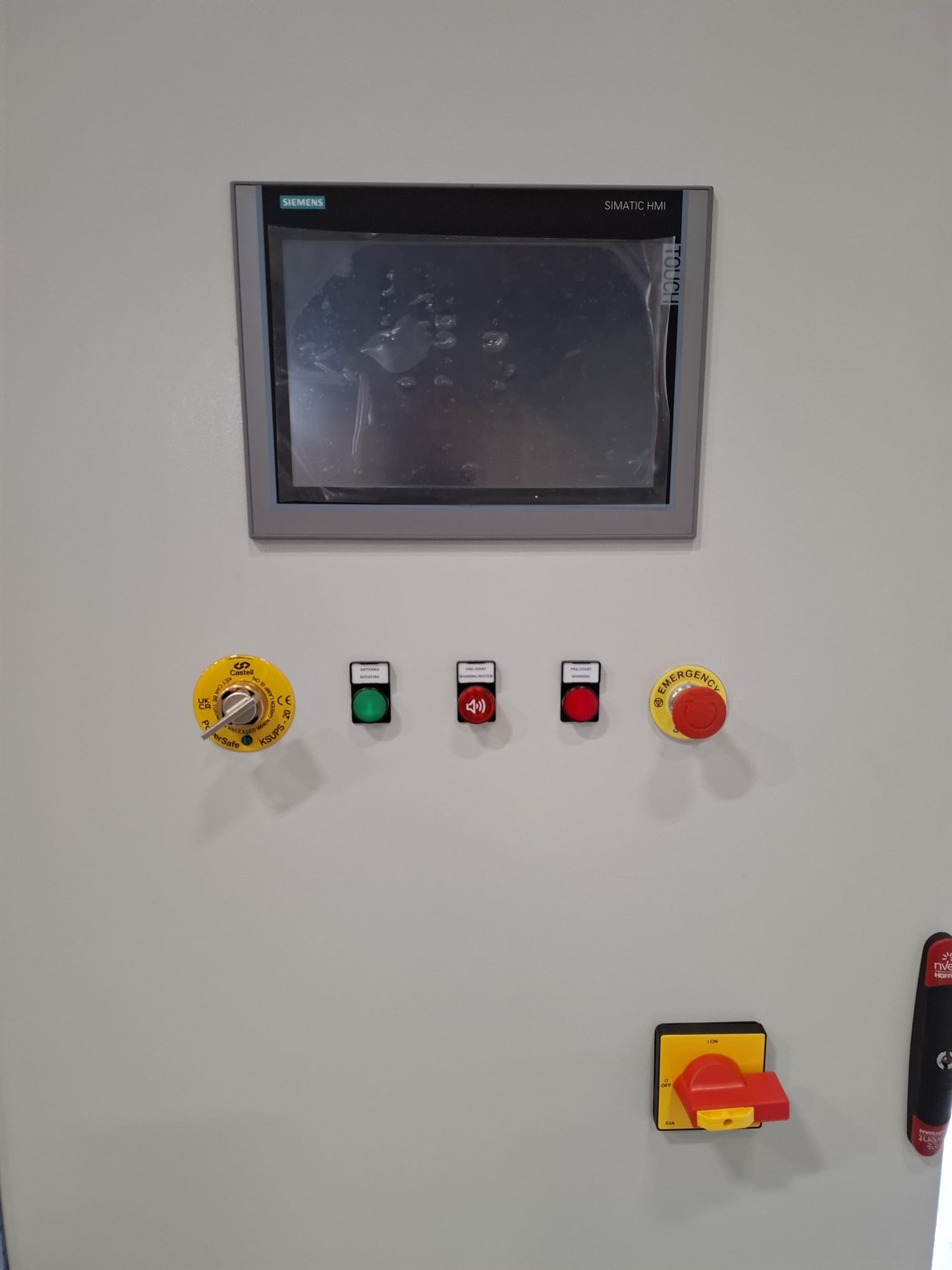
Switches: Switches allow operators to turn on/off different processes or equipment.
Indicators: Indicators provide visual feedback on the status of various parameters or processes.
Displays: Displays show real-time data, system parameters, and alerts for operators to monitor.
Controllers: Controllers receive input from sensors and send signals to actuators, ensuring precise control.
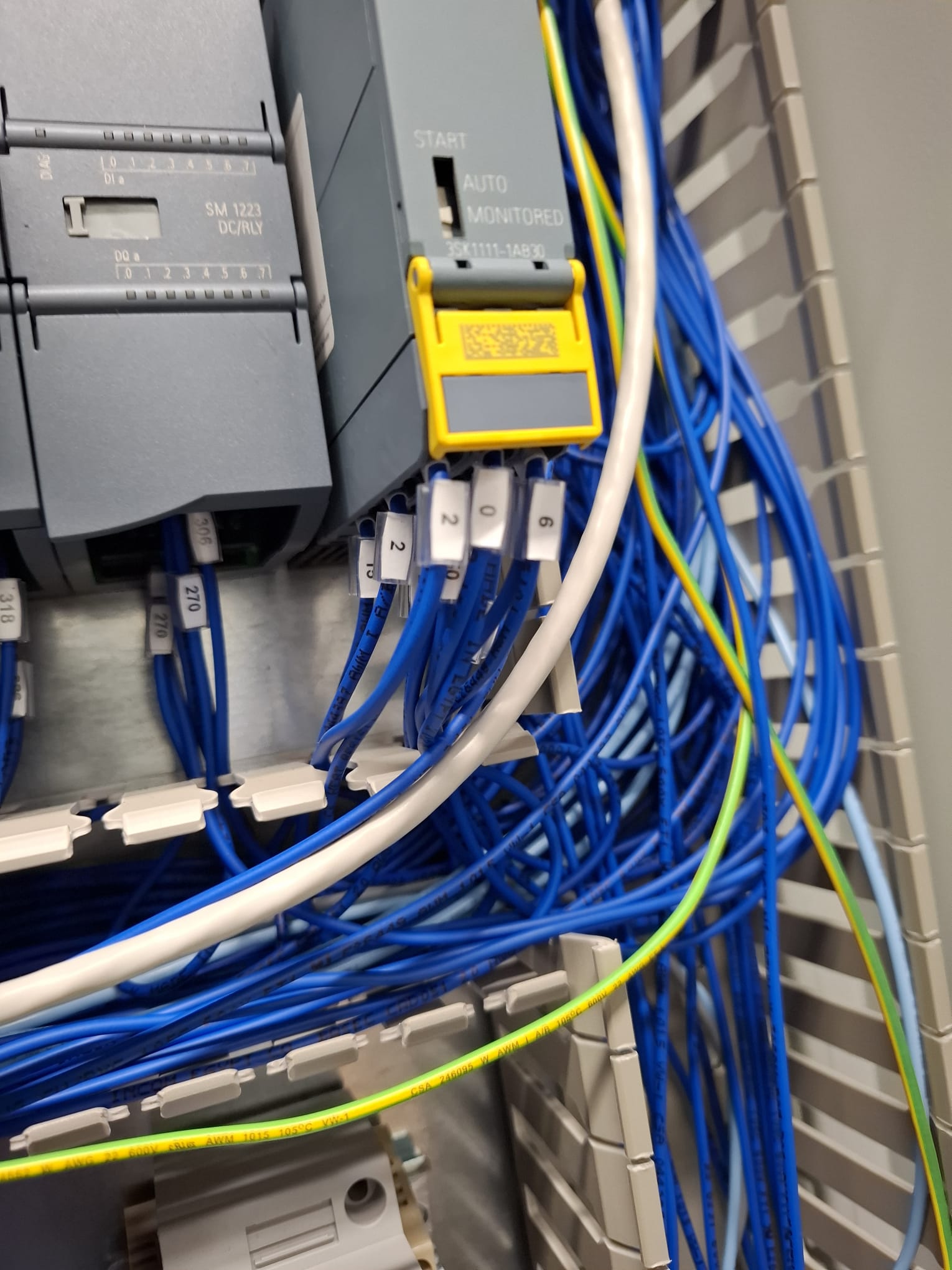
Wiring and Connections: Proper wiring and connections are crucial for reliable and safe operation of the control panel.
Safety Devices: Control panels may include safety features like emergency stop buttons, interlocks, and protective enclosures.
Types of Control Panels
Push Button Panels
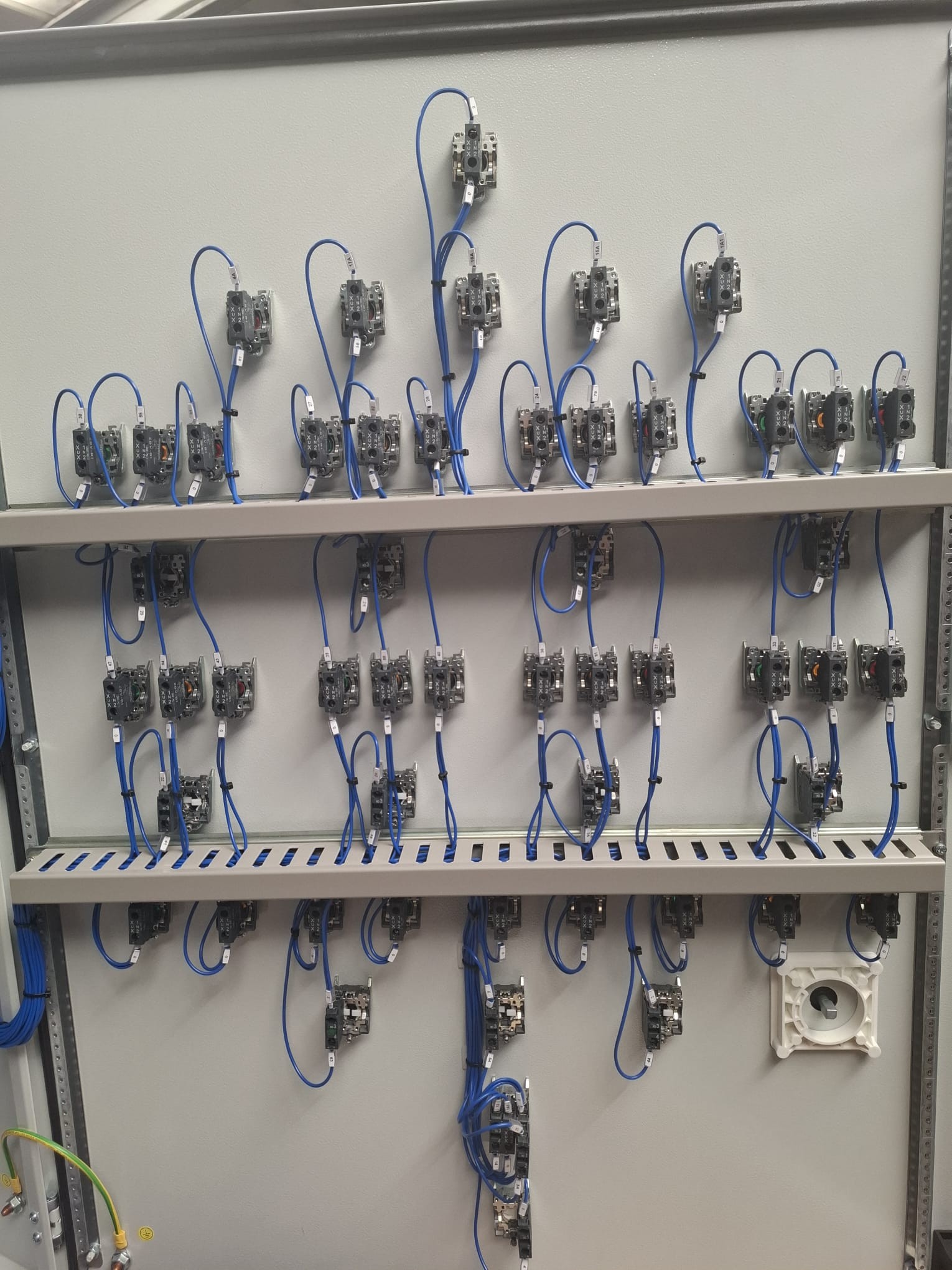
Push button panels are a common type of control panel used in industrial settings. They feature an array of buttons and indicators that allow operators to manually control specific functions or processes. Push button panels are relatively simple and cost-effective, making them suitable for applications that don’t require advanced automation.
Programmable Logic Controllers (PLCs)
Industrial automation makes extensive use of PLCs. They are specialized computers programmed to control and monitor a range of processes. PLCs offer flexibility and scalability, allowing for complex automation tasks. They can be programmed to respond to specific inputs and execute predefined actions, making them highly versatile.
Distributed Control Systems (DCS)
DCSs are designed for large-scale industrial operations that require extensive process control. They consist of multiple interconnected control panels distributed throughout a plant or facility. DCSs enable operators to monitor and control numerous processes simultaneously, offering enhanced flexibility, redundancy, and fault tolerance.
Human-Machine Interfaces (HMIs)
HMIs provide a visual interface for operators to interact with control systems. They often combine touch screen displays, indicators, and graphical representations of processes. HMIs offer user-friendly control and monitoring capabilities, improving operational efficiency and reducing the learning curve for operators.
Motor Control Centers (MCCs)
MCCs are control panels specifically designed for managing and protecting electric motors. They house motor starters, protective devices, and control circuitry in a single enclosure. MCCs simplify motor control and provide convenient access for maintenance and troubleshooting.
Electrical Control Panels
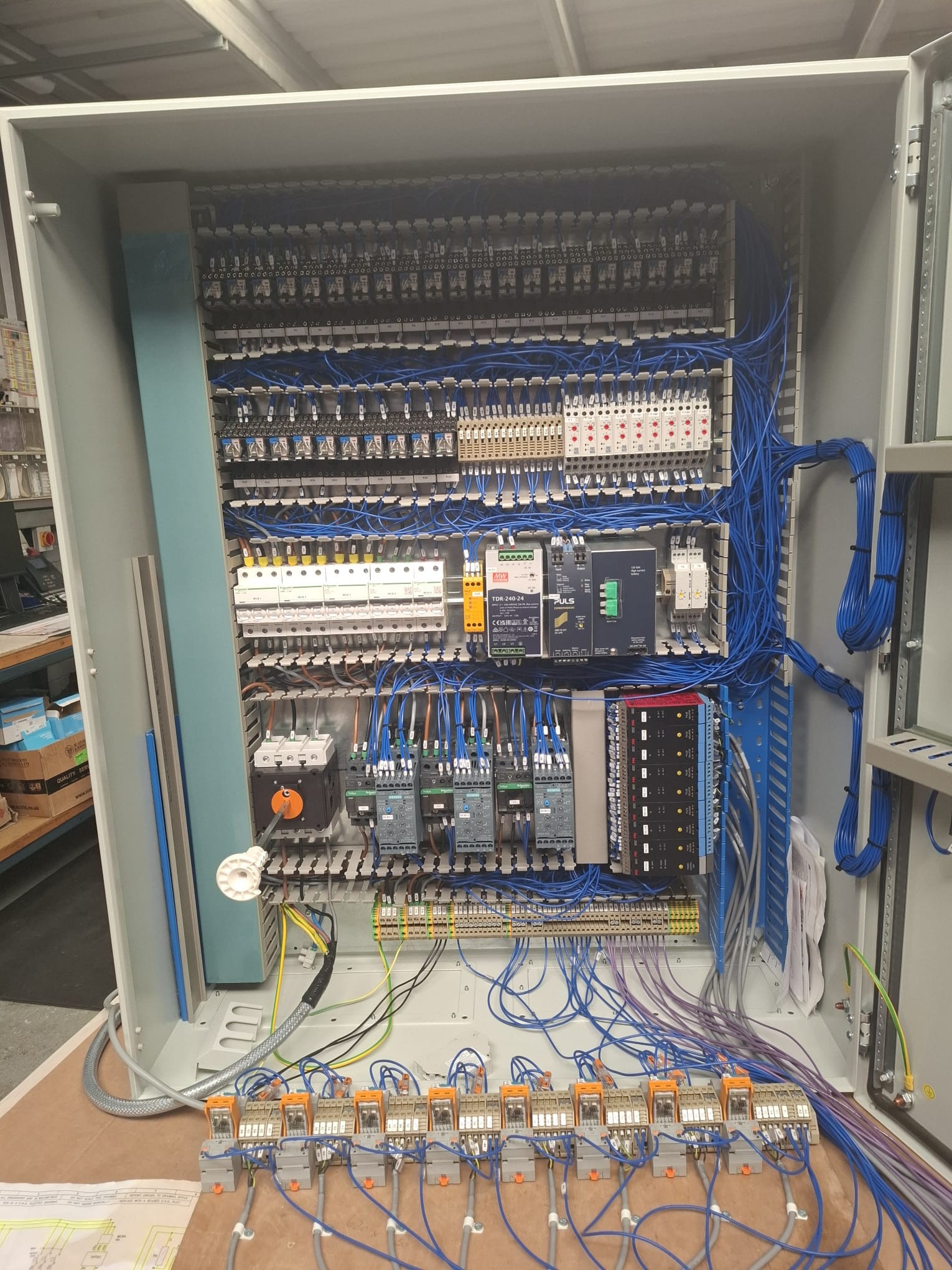
Electrical control panels are designed to regulate and protect electrical systems within a facility. They typically house circuit breakers, relays, fuses, and other components necessary for electrical distribution and control. Electrical control panels ensure the safe and efficient operation of electrical equipment.
Process Control Panels
Process control panels are utilized in industries where precise control over parameters such as temperature, pressure, flow, and level is critical. These panels incorporate specialized instruments and devices to monitor and regulate processes accurately. Process control panels are commonly found in industries such as manufacturing, chemical processing, and oil and gas.
Customized Control Panels
Customized control panels are tailored to meet specific requirements of a particular application or industry. These panels are designed and built to provide precise control and monitoring functions unique to the process they are intended for. Customized control panels offer flexibility and adaptability, ensuring optimal performance and compatibility with existing systems.
Importance of Control Panels in Industrial Automation
Control panels are indispensable in industrial automation for several reasons:
Efficiency: Control panels streamline operations by centralizing control, reducing manual intervention, and automating processes.
Accuracy: Control panels ensure precise control over various parameters, minimizing errors and improving overall accuracy.
Safety: Control panels incorporate safety measures, such as emergency stop buttons and protective enclosures, to safeguard operators and equipment.
Monitoring: Control panels provide real-time data and visual feedback, enabling operators to monitor processes effectively and detect abnormalities promptly.
Troubleshooting: Control panels simplify troubleshooting procedures by providing access to relevant information and diagnostics.
Scalability: Control panels can be expanded or modified to accommodate changing process requirements and system upgrades.
ACU PANEL
ACU refers to various types of control panels, including power quality control panels and access
control units, each designed for specific applications in electrical and security systems.